A practical approach to GSA SER verified site lists starts with the campaign goal, not the thread count. Reliable automation comes from controlled inputs and visible checkpoints. In this beginner guide, the main focus is clarity and a small first test. The question to answer is simple: What does a new operator need to understand before turning the project on?
The role of this part of the workflow is to supply previously verified targets so an operator can spend less time discovering and testing URLs. That sounds straightforward, yet results can change when targets, proxies, email, captchas, content, and anchors are adjusted together. Start with a limited sample and record what Money Robot or GSA SER actually publishes before adding volume.
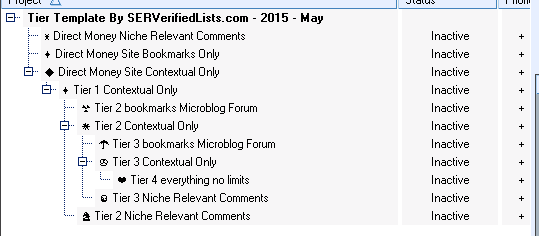
GSA SER Verified Site Lists in the Wider Workflow
When the project is reviewed honestly, GSA SER verified site lists should solve a defined problem. A verified list cannot repair unreadable content, a proxy cannot correct an unsuitable anchor plan, and a high submission count cannot prove that the resulting pages are useful. The campaign becomes easier to manage when deduplication and freshness are reviewed as separate signals.
The main risk is treating every imported URL as equally relevant, live, or suitable for a direct Tier 1 placement. Avoid treating a vendor label or one successful preview as proof that every later placement will behave the same way. Platforms change, approval delays vary, and previously working targets can disappear. Recheck assumptions regularly so changes are found before they affect the whole campaign.
Build a Controlled Test
First, assign GSA SER verified site lists to one project objective and one destination group. Use readable English content, a conservative anchor mix, working accounts, and a proxy pool that matches the selected engines. Then run enough submissions to observe patterns without creating an unnecessarily large footprint. The goal of the first pass is evidence, especially around verified links, rather than maximum output.
Second, keep a short project record. Note the content set, target source, platform selection, proxy pool, captcha service, and start time. This makes comparisons meaningful when a later run changes one variable. Even a brief campaign note is useful, provided it prevents several settings from being changed without explanation.
- Confirm freshness before the project starts.
- Review deduplication after the first sample.
- Compare platform type with the verified output.
- Change only one important variable for the next test.
A sensible quality check is to compare third-party advice with the GSA Search Engine Ranker tutorials and then test the result on a limited project.
Quality Controls Before Scaling
A Tier 1 campaign deserves stricter review than a lower support tier. Use relevant daily limits, varied brand and partial-match anchors, and destinations that genuinely match the article topic. Open a sample of successful pages and check whether the title, paragraph formatting, image, and link context survived publication. A verified status is useful, but it does not describe the whole page.
Track successful submissions beside unique domains. If one improves while the other declines, investigate before increasing volume. For example, faster submissions may come from broader engines or looser filters, while the pages that matter to the campaign may not improve. Controlled growth follows a clean baseline rather than replacing it.
Turn the First Run into Better Decisions
After the first run, separate technical failures from editorial and strategic issues. Connection errors point toward proxies or platform availability. Registration failures may involve email or captcha handling. Published pages with awkward text point toward content or spin website settings. Irrelevant placements point toward engine, filter, or target selection. This separation makes GSA SER verified site lists easier to improve without unnecessary rebuilding.
Review contextual support, freshness, and platform type together. Look for a pattern across several pages rather than reacting to one unusual result. Keep successful settings, remove clearly weak inputs, and run another limited sample. This beginner guide becomes valuable when it produces a repeatable decision, not merely a larger report.

Keep the Project Readable and Testable
The most relevant mistake for this angle is copying an advanced setup without understanding its inputs. Another is treating every imported URL as equally relevant, live, or suitable for a direct Tier 1 placement. Avoid duplicate titles, a second article-level heading, malformed HTML, and aggressive synonym spinning. Do not insert a second promoted link in the article when Money Robot is already configured to add one link per article.
- Do not promise rankings or treat automation as a guarantee.
- Do not use direct competitor citations in promotional support content.
- Do not hide weak relevance behind a high submission count.
- Do not scale until sample pages have been opened and reviewed.
A Sensible Next Step
GSA SER Verified Site Lists works best as part of a well-documented workflow. Define its purpose, test a small sample, inspect real pages, and use the result to choose the next adjustment. That approach supports the clarity and a small first test goal while keeping a Tier 1 campaign understandable enough to improve over time.